Security
Security robot patrols for UK sites and estates
A legged robot walks your grounds through the night, covering the boundary, the outbuildings and the ground a fixed camera cannot see. We select the robot and arrange its supply, survey and commission the site, develop the patrol software, monitor every detection and support the system in service. Routes are designed to be re-planned each run so the patrol cannot be timed, and a person verifies every detection before anything escalates.
Systems we connect into: your control room, VMS and alarm receiving centre. How our integration software is designed to work
What it does
Cover that does not get tired, distracted or predictable
A night patrol is repetitive work done in the dark, which is precisely the work that suits a machine and wears down a person.
Patrols that cannot be timed
The route is designed to be re-planned on every run, so the order and the timing change each time. A patrol that repeats the same loop on the hour can be watched, timed and walked around.
Ground a camera cannot cover
Fixed cameras see what they were pointed at when they were installed. A legged robot walks the boundary, the outbuildings and the dark corners, and looks behind things.
Thermal and low light
Patrols run through the night on thermal and low-light imaging. Night is when the risk is, and it is when static systems are weakest.
A person decides, every time
Detections go to a monitoring operator who verifies before anything escalates. The robot gathers evidence and holds position. It never calls the police by itself.
Exclusion zones you set
Ponds, pools, steps, planting and gravel are mapped as no-go zones during the survey. The robot will not plan a route through them, and the patrol refuses to start if a point sits too close to one.
Evidence, not just alerts
Every observation is captured, timestamped and retained to an agreed schedule, so an incident comes with a record rather than a recollection.
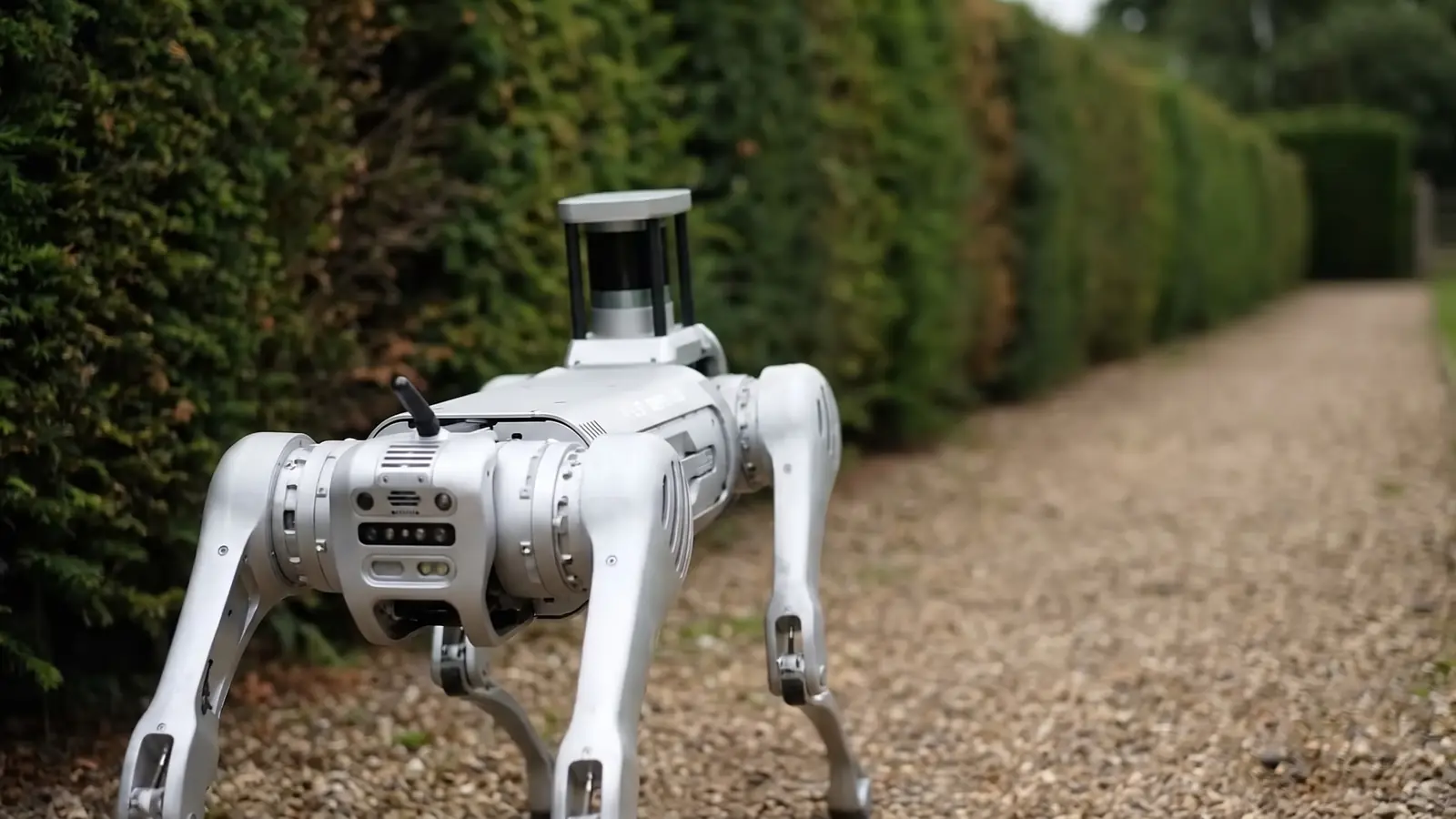
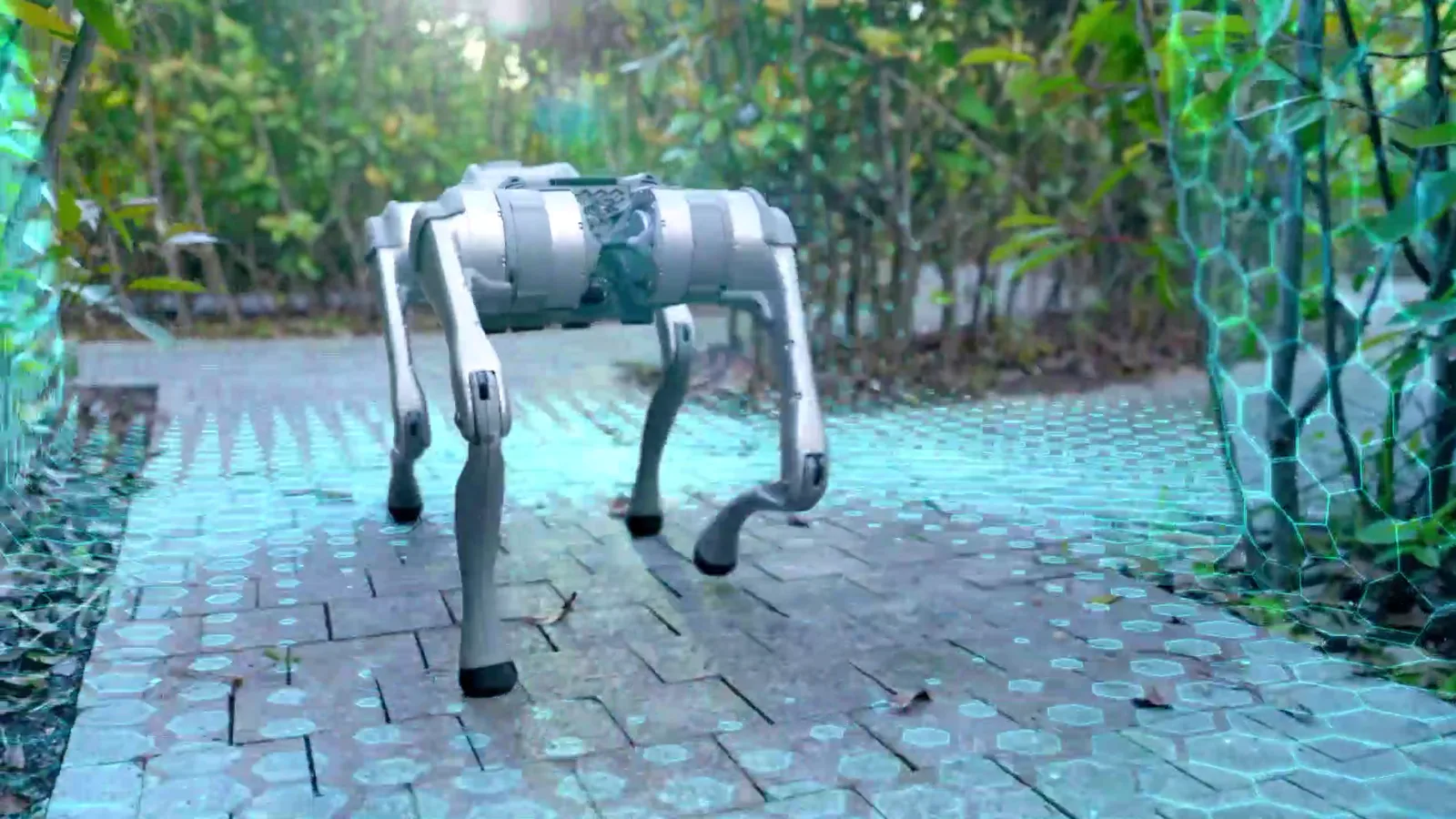
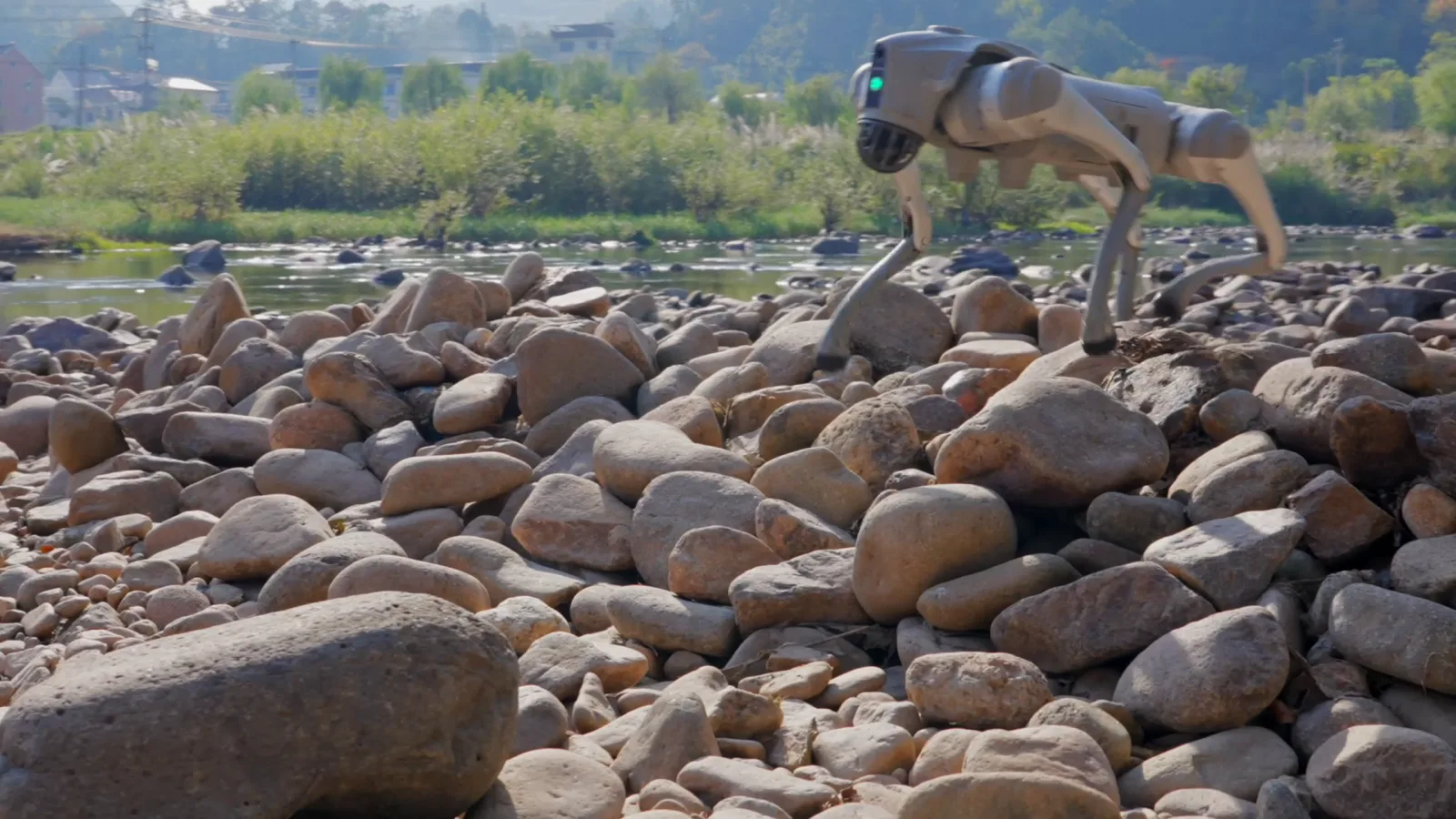
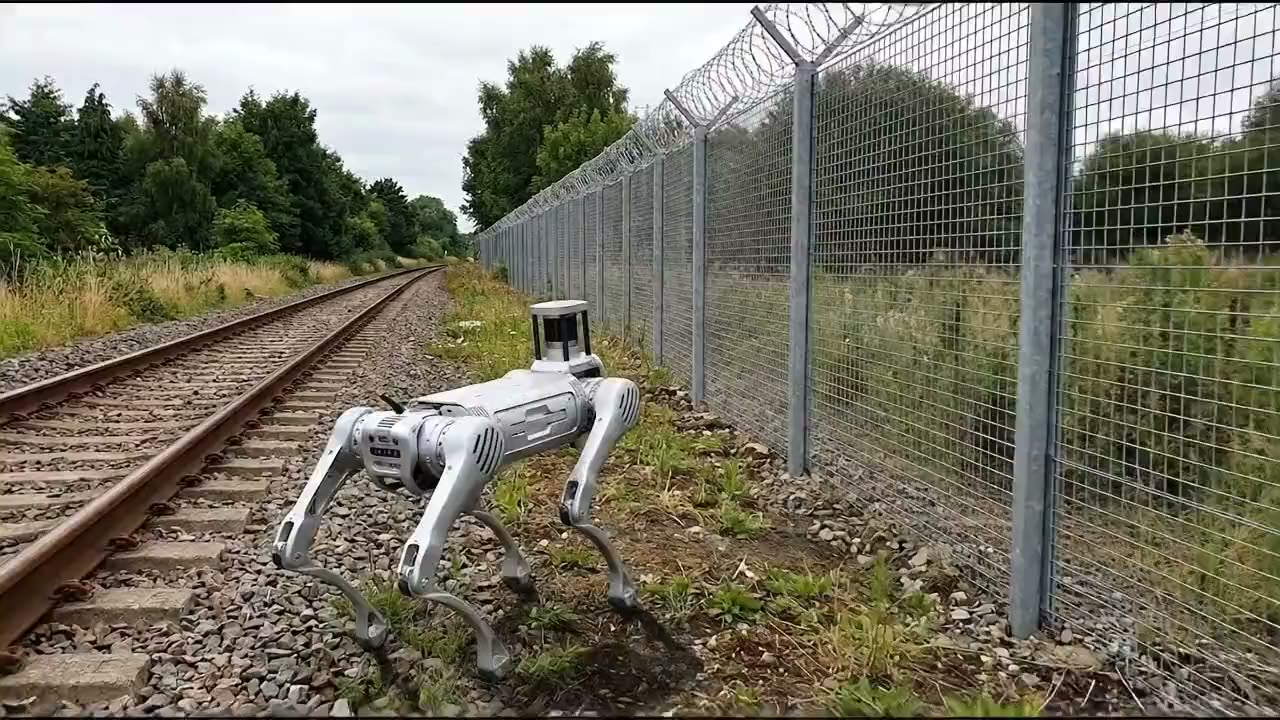
Manufacturer footage of a compact quadruped platform. Outdoor UK deployments are specified on weather-rated industrial platforms, as set out below.
Want to know what a patrol would cover on your grounds, and how it would reach your control room? Start with an integration review.
Request an integration reviewThe basics
What is a security robot?
A security robot is a mobile machine that patrols a site on its own, carrying cameras and sensors such as thermal imaging, and sends what it detects to a person who decides what happens next. Robotic security takes on the repetitive rounds, especially at night, while people keep the judgement, the response and the contact with visitors.
See it work
A patrol, running
Boundary, exclusion zones and observation points come from the site configuration built during your survey. Run it twice: the order changes every time, which is the point.
Our patrol system running on an example estate. The same software is designed to drive the robot on site.
How it works
From survey to a patrol running every night
Four stages. The first two happen before a robot patrols your grounds unattended.
- 01
Site survey
We map the property: the boundary the robot must stay inside, the hazards it must avoid, the points worth watching, and where a charging dock can sit with power and cover.
- 02
Commissioning
The robot builds its own navigation map on site, walking the grounds with its own sensors. Patrol points, timings, escalation contacts and quiet hours are set with you.
- 03
Monitoring
Patrols run to schedule. Detections reach a monitoring operator for human verification before any escalation, with your keyholders notified to an agreed order.
- 04
Maintenance
Seasonal re-survey, because grounds change. Growth, new structures and moved furniture all age a map, and an out-of-date map is what makes a patrol unreliable.
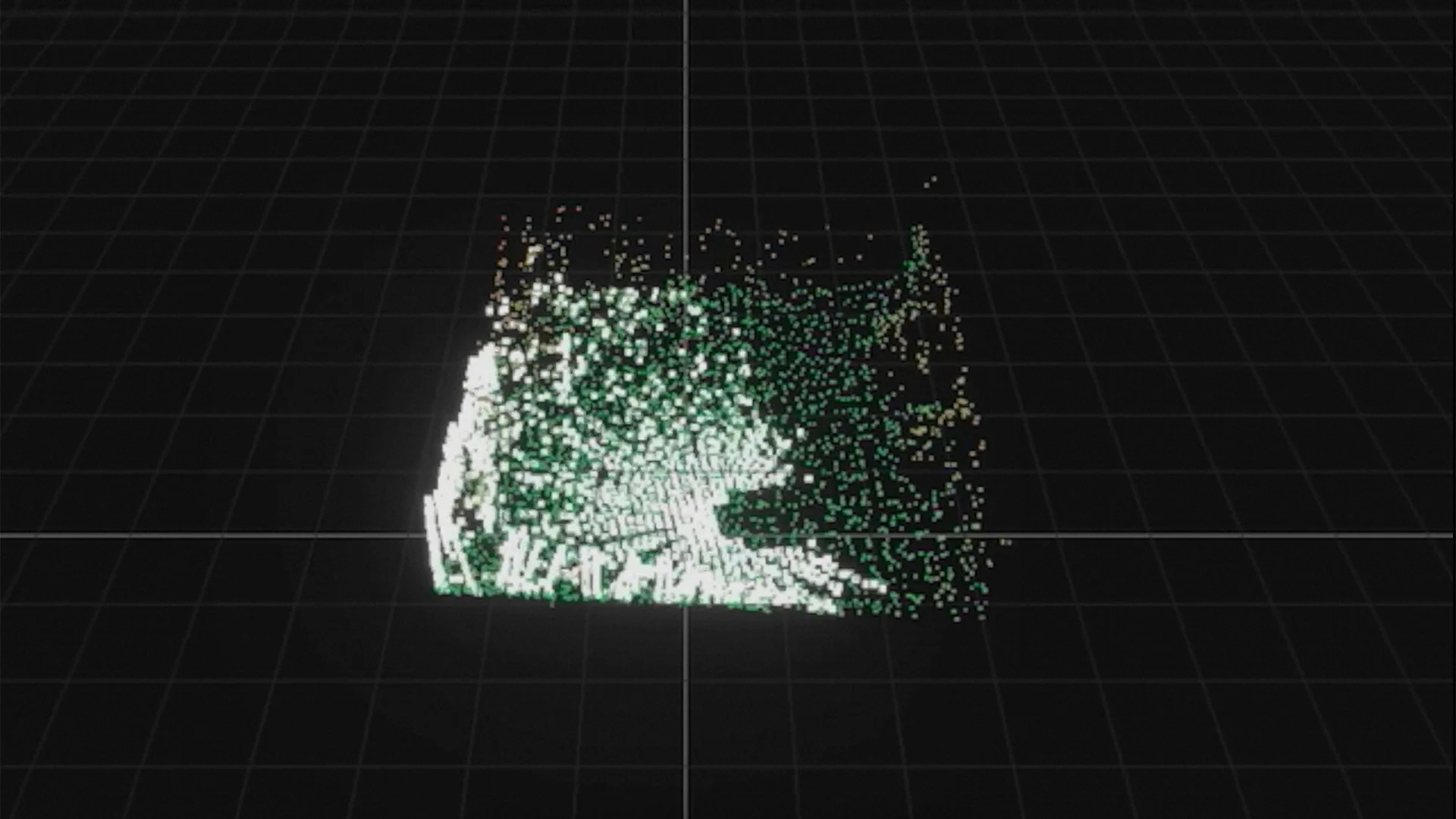
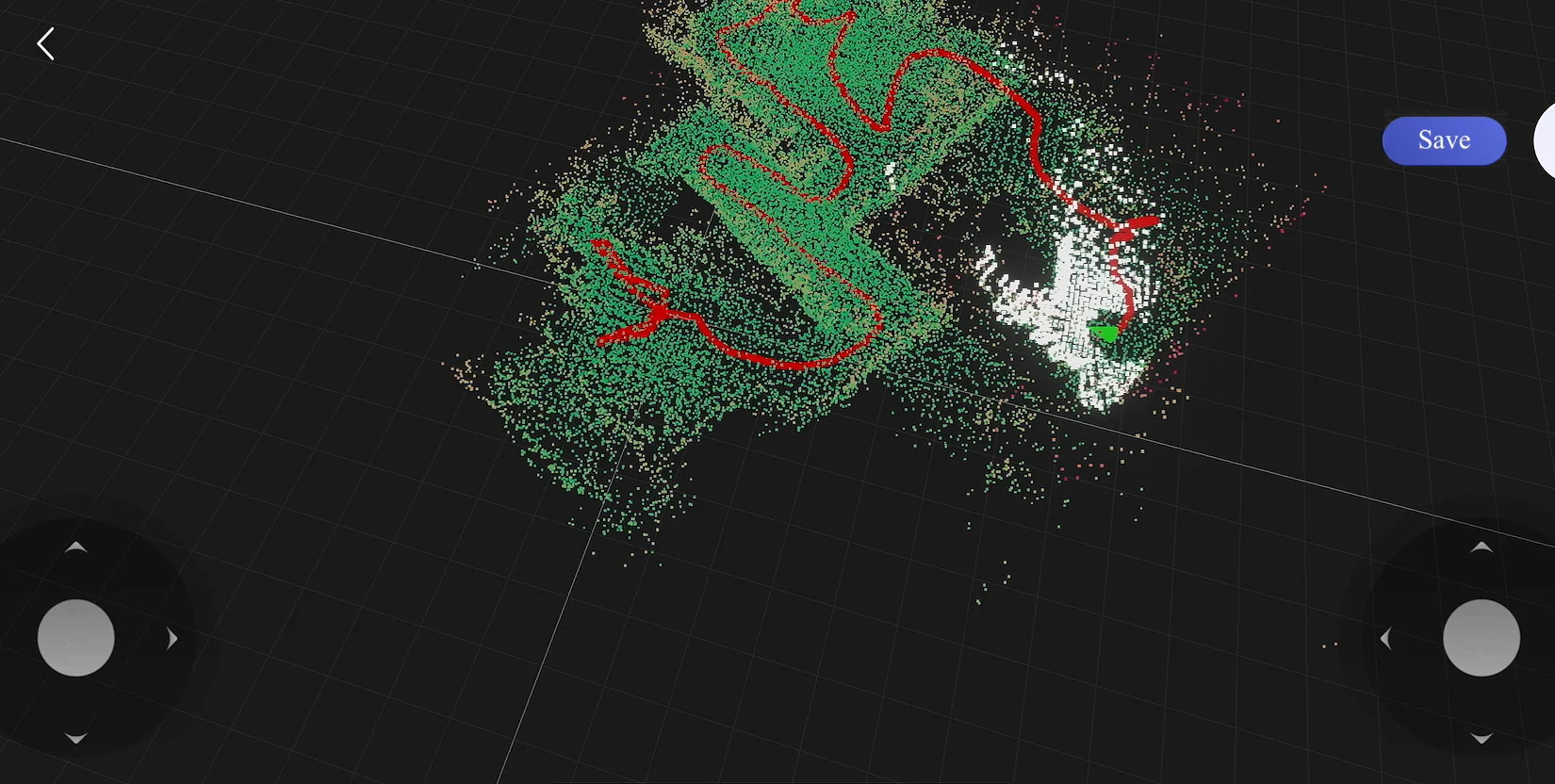
The review starts with the site. It is also where we tell you honestly whether your site suits a patrol.
Request an integration reviewHow we run it
The three things that decide whether this works
Most of what goes wrong with robot security is decided before the robot arrives. Here is how we handle each of them.
Rated for British weather
Consumer quadrupeds carry no IP rating and are specified for dry conditions, which rules them out here. We deploy industrial platforms rated IP56 or better, and specify IP67 where the site justifies it.
A person verifies every detection
If a system escalates on its own, wildlife will burn your police response inside a season, since three false calls in a rolling year withdraws it. Our monitoring partner’s operators sit between the detector and the escalation, on every alert.
Footage handled properly
The moment a camera sees past your boundary the household exemption ends. We check every sightline during the survey and complete a data protection impact assessment before deployment.
We work across manufacturers rather than representing one platform, so the robot is specified to the site rather than to a supply deal. Your proposal sets out who supplies the robot, who holds the product warranty, and what software support and maintenance are included in the service. See the quadruped platform classes we specify, read why outdoor UK patrols are specified on industrial platforms, or see how a structured pilot proves it on your site first. Weighing a drone patrol as well? Our guide to docked drones and drone security patrols covers the CAA authorisation, privacy and licensing that come with one.
Monitoring and alarm receiving are delivered with Macaw Security Solutions and EMCS. Their accreditations are listed here; where a site requires a certified supplier, that part of the work is contracted through them.
Accreditations held by these partners
- ISO 9001Macaw Security
- ISO 14001Macaw Security
- ISO 45001Macaw Security
- ISO 27001Macaw Security
- RISQSMacaw Security
- CHASMacaw Security
- SafeContractorMacaw Security
- AchillesMacaw Security
- SSAIBMacaw Security
- BS 8418Macaw Security
- PD 6662Macaw Security
- NSI GoldEMCS
- BSIA memberEMCS
- PSA memberEMCS
Certifications and scheme memberships shown are held by the named partner company, not by Forge Robotics. Where a project requires a certified or scheme-registered supplier, that part of the work is contracted through the partner under its own certified management system and scope. Certificates are available on request.
14 certifications and scheme memberships held by Macaw Security (11) and EMCS (3), not by Forge Robotics: ISO 9001, 14001, 45001 and 27001, plus 10 scheme and industry marks.
Show all 14
- ISO 9001Macaw Security
- ISO 14001Macaw Security
- ISO 45001Macaw Security
- ISO 27001Macaw Security
- RISQSMacaw Security
- CHASMacaw Security
- SafeContractorMacaw Security
- AchillesMacaw Security
- SSAIBMacaw Security
- BS 8418Macaw Security
- PD 6662Macaw Security
- NSI GoldEMCS
- BSIA memberEMCS
- PSA memberEMCS
Certifications and scheme memberships shown are held by the named partner company, not by Forge Robotics. Where a project requires a certified or scheme-registered supplier, that part of the work is contracted through the partner under its own certified management system and scope. Certificates are available on request.
Ask us which certification chain your site qualifies for before you commit to anything.
Request an integration reviewAlongside your team
Security robots and human guards: where each fits
A security robot supports guards; it does not replace them. It walks the same route all night without tiring and sends each detection to a person to check. Guards bring what a robot cannot: judgement, deterrence, helping visitors and responding in person. Think of it less as a robot security guard and more as extra reach for your guards.
Where it fits
Where UK sites use patrol robots
A patrol robot makes most sense where there is a large area to cover, ground a fixed camera cannot see, and rounds that repeat every night.
Estates and private grounds
Long boundaries, outbuildings and dark corners between fixed cameras.
Industrial sites
Perimeters, yards and plant areas that need rounds out of hours.
Logistics yards and warehouses
Trailer parks, loading areas and long fence lines.
Data centres
Perimeter and yard rounds alongside the fixed sensors already inside.
Construction sites
Layouts that change week to week, with plant and materials left overnight.
Flat indoor floors can suit a wheeled unit, which cannot use stairs; steps, kerbs, gravel and uneven ground favour a legged platform, which is why outdoor patrols are specified on the industrial quadruped platforms we work with. Our buyer’s guide to patrol robot specifications sets out what to check before you choose one, and a supervised pilot on your own site proves the route before anything is rolled out. If you build security robots and want to reach UK sites, see how we work with robot manufacturers.
Frequently asked questions
Does a security robot need an SIA licence?
The robot itself is equipment and is not licensed. The people matter: guarding premises or property using CCTV equipment is a licensable activity under the Private Security Industry Act 2001, so monitoring staff who watch and act on the footage generally need a Public Space Surveillance (CCTV) licence. Monitoring is carried out by our security partner’s SIA-licensed operators.
Can a robot patrol get a police response?
Only through a properly certificated chain. Police issue a Unique Reference Number (URN) where the system is installed and maintained by an NSI or SSAIB certificated company, signalling is dual-path, and the alarm receiving centre holds its own certification against BS EN 50518. Without that chain, a monitoring centre can notify you and your keyholders but cannot summon police. We deliver monitoring through a certificated alarm receiving centre, and confirm what your specific site qualifies for before you sign anything.
What stops it generating false alarms?
A person verifies every detection before it escalates. This matters more than it sounds: under national policing policy, two false calls in a rolling twelve months brings a written warning and three withdraws police response altogether. British gardens are full of foxes, badgers, deer and cats, and a detector left to escalate on its own would burn a site’s police response within weeks. Human verification is what protects it.
Do security robots work in the rain?
The right ones do, and most do not. Consumer quadrupeds such as the Unitree Go2 carry no IP rating at all and are specified for dry conditions between 5 and 35 degrees, which rules them out for British weather regardless of price. Outdoor patrol needs an industrial platform rated IP56 or better, and we specify IP67 where the site justifies it.
What about GDPR and data protection?
If cameras only ever capture the client’s own land, a domestic property owner is covered by the household exemption. That exemption falls away the moment footage reaches beyond the boundary, and it never covers the party doing the monitoring. A data protection impact assessment is carried out before deployment, camera sightlines are checked against the boundary during the survey, and retention and access are agreed in writing.
How does the cost compare with a security guard?
A manned night patrol is a recurring wage cost for one person who can be in one place at a time. A robot patrol is a capital cost plus a monitoring fee, covering the same ground repeatedly through the night. Which is better value depends on the size of the site, the hours you need covered and what a single incident would cost you. We model it against your site and give you the figures rather than a generic claim.
Who supplies the robot, and who do we contact for support?
Forge Robotics works across manufacturers. Hardware is normally purchased through the selected supplier, although supply can also be arranged through Forge where appropriate. Your proposal identifies who supplies and invoices for each element, who holds the product warranty, and what software support and maintenance are included. Where Forge provides the patrol as a managed service, you contact Forge for the support included in that agreement and we coordinate the suppliers as necessary. Where you buy the robot directly, product warranty issues go to the hardware supplier.
Can one robot cover more than one property?
Each site needs its own map, its own patrol points and its own charging dock, so a robot lives at one property. What is shared is the software and the monitoring: our patrol system is designed to be configured per site rather than rebuilt, so adding a property is a survey and a commissioning visit rather than a development project. Clients with several properties run them from one monitoring arrangement.
What happens when it detects someone?
It captures visible and thermal imagery, bundles that as evidence, sends it for human verification and holds position. It does not pursue, confront or challenge, and it does not contact police on its own. What happens next follows the escalation order agreed with you, including any quiet hours you set.
What is a security robot?
A mobile machine that patrols a site on its own, carrying cameras and sensors such as thermal imaging, and sends what it detects to a person to check. It covers the repetitive rounds, particularly at night, while a person still decides what happens next.
Can a security robot replace a security guard?
No. It supports guards rather than replacing them. It can take on repetitive patrol rounds and cover ground between cameras, but it does not challenge, detain or make judgement calls, and every detection goes to a person to verify. Guards still provide deterrence, judgement, help for visitors and an in-person response.
Get in touch
Start with an integration review
Tell us what you need watching and the control room, VMS or alarm receiving centre you use now. We will look at the grounds, specify the platform, and set out what a patrol covers and how its findings reach your team.